People do not pay for your fancy products, services, or clever ideas, at least not in the abstract way many assume. They pay to either acquire something they intensely desire or to make something undesirable go away.
Fundamentally, six timeless motivators drive all human behavior, including purchasing decisions.
Six Motivators
Understanding these drivers simplifies everything. People are looking for:
1. Survival and Stability: The absolute basics and the resources required to secure them long-term. This is food, water, and shelter in their modern forms.
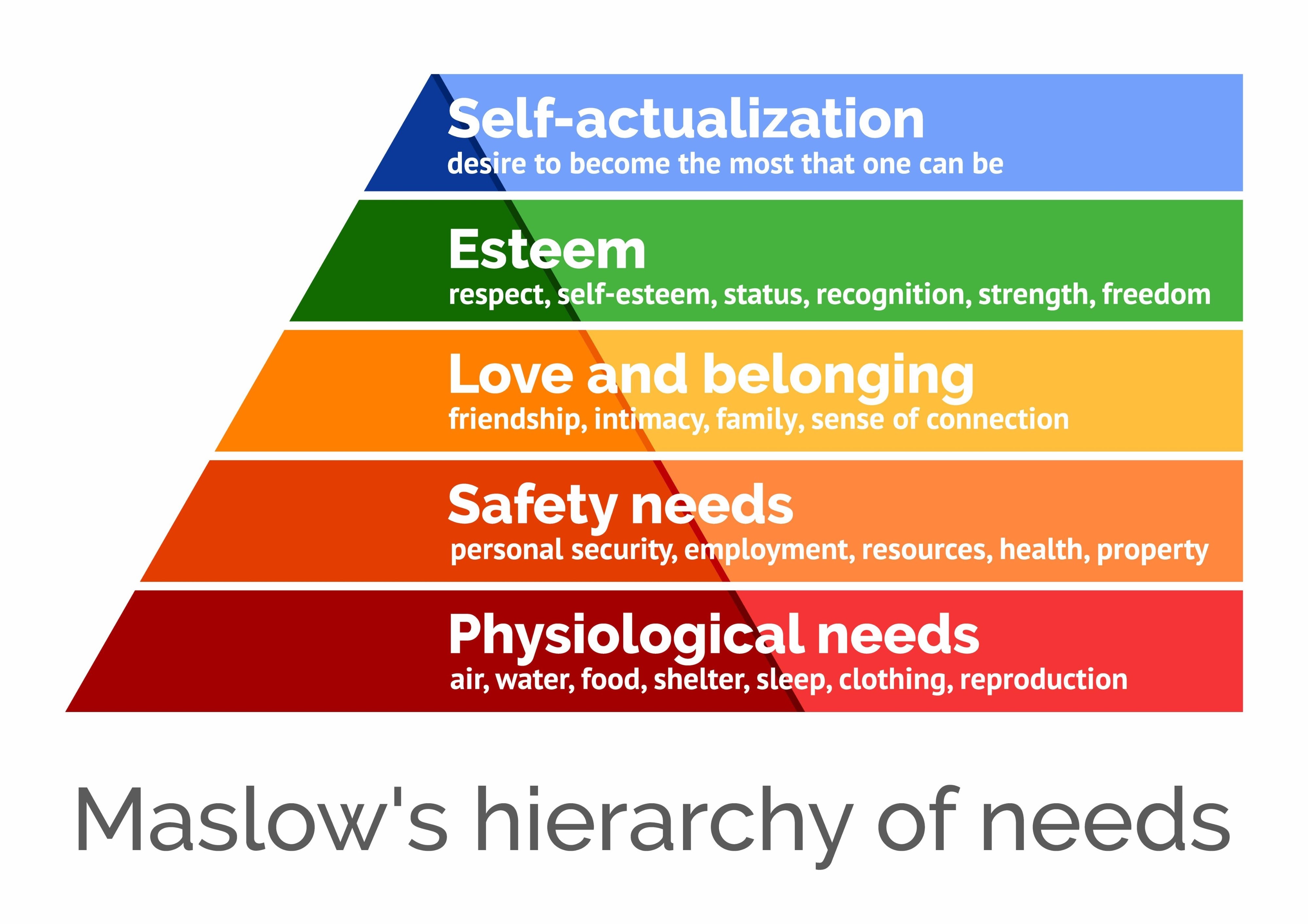
2. Safety and Protection: Defense against physical threats and security from financial loss. This covers everything from home security systems to insurance and basic law enforcement services.
3. Relief and Health: Fixing what is broken. Solutions that alleviate pain, manage illness, repair injuries, and restore physical or mental well-being fall squarely here. This is why healthcare is such a massive sector.
4. Pleasure and Comfort: Entertainment, enjoyment, luxury, and ease. People pay generously for things that make life enjoyable and comfortable, whether it’s a vacation, a gourmet meal, or an ergonomic chair.

5. Belonging and Love: The desire for connection, community, and intimacy. Products and services that facilitate relationships, foster community, or help someone express love tap into this powerful drive.
6. Status, Meaning, and Legacy: The drive for recognition, purpose, and leaving a lasting mark. High-end goods, educational achievements, philanthropy, and estate planning often stem from these deeper desires.

Every purchase you analyze, from a mundane grocery run to a luxury car, ties back to one or more of these foundational motivators. They are predictable and constant.
The Cost of Living
Here is where the transaction happens. People pay with more than just money. Money is a marker for the true currency they are trading: their personal Cost of Living.
This Cost of Living is comprised of five specific elements people carefully ration and expend:
- Time: Their finite hours. They pay you to save them time or to use their time more enjoyably.
- Energy: Both physical and mental effort. They pay you so they don't have to work as hard, physically or cognitively.
- Attention: Their focus and bandwidth. They pay you to reduce information overload or to capture their focused attention delightfully.
- Comfort: Their ease and lack of friction. They pay you to remove inconvenience or to enhance their physical comfort.
- Risk: The possibility of loss or failure. They pay you to reduce uncertainty or to take the risk on their behalf.
Core Idea
The Cost of Living drives financial opportunity. This is the entire ballgame.
Look closely at this equation. Opportunity lies directly in managing these costs. The simplest way to create value is to lower them. If you can make something take less time, require less energy, demand less attention, increase comfort, or reduce risk, you have created something people will pay for.
Cultural Motivation
We are conditioned to think about niches, which are often just segmented demographics and superficial interests. A better and more robust framework is Cultural Motivation.
Ditch the traditional niche approach; it limits your thinking. Instead, focus on understanding the Cultural Motivation that drives behavior within a specific group of people sharing a common context.
Cultural Motivation is not just what people have in common; it is specifically the shared drive to relieve the Cost of Living that unites them. You must understand how the six core motivators manifest in this culture and where they feel their costs are highest.
Turning Cultural Motivation into Opportunity
To capitalize on this, you have to understand how these cultural motivations translate into business directions. You do this by lowering those personal costs or by increasing the value people derive within their culture.
Define the culture. Ask yourself are they spending too much time, energy, attention, or comfort? Ask where they are bearing too much risk. Your business direction should emerge from providing a direct solution to one or more of these high personal costs. You can succeed by offering a product or service that either lowers these costs significantly or by offering something so valuable within that cultural context that people are willing to pay the associated cost to acquire it.